

The Oldest Iron Mine
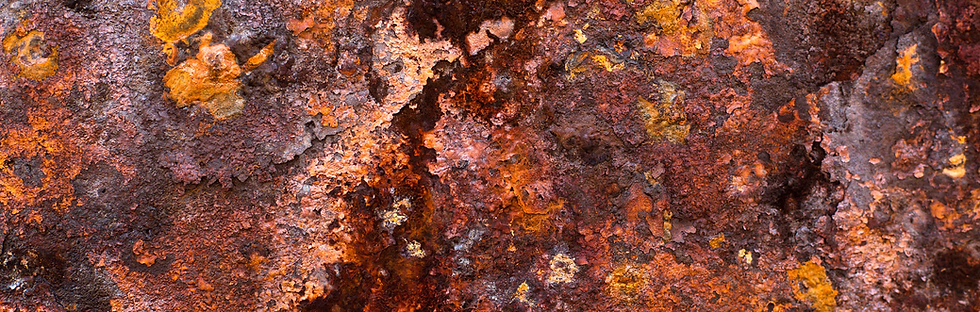
Before men, before monkeys, before fish, before bugs, before bacteria and ooze formed on this planet, before there was even a speck of dirt or dust to blow in the toxic, unbreathable air, there were rocks. Crystals and formations like these grew up from the ground as moisture settled and different minerals formed and mixed. In a process spanning millions of years, rocks like these were once the solitary inhabitants of a landscape covered in crystal formations that grew even larger with each passing eon. It's a process that continues underground, and sometimes in some places above it, still to this day. This process is hidden from the eyes of men by taking a pace so slow it cannot be easily observed in its activity.

Ngwenya
In the hills of Eswatini, near the border with South Africa, these ancient, wise rocks tell one of the most remarkable stories of early human history. Here lies the Ngwenya Mine, the oldest known mine on Earth, a site where the long, silent process of geological formation meets the first conscious acts of human ingenuity.
Archaeological evidence dates the earliest mining activity at Ngwenya to around 43,000 years ago, a time when Neanderthals still walked the earth and woolly mammoths roamed the landscape. This timeline places the mine firmly in the Paleolithic Era, making it a powerful testament to our ancestors' early cognitive abilities and their connection to the earth's raw materials. It stands as a profound marker of a time when our species began to move beyond simple survival.
Stone to Symbol
What drove these early humans to dig deep into the earth's crust with primitive tools? They weren't looking for gold or iron, but for a soft, red mineral called hematite—a form of iron ore. This mineral was ground into a powder known as ochre, a vibrant pigment that held deep symbolic and practical value.
Ochre was not just a decoration. It was used in rituals, burial ceremonies, and likely as body paint. It may have also served a functional purpose, such as a preservative for hides or an insect repellent. The presence of ochre in archaeological sites across the globe, from early burials to cave paintings, highlights its central importance in the dawn of human culture. The sheer scale of the Ngwenya Mine suggests that the demand for this red pigment was significant, driving our ancestors to undertake sophisticated and organized mining efforts.

Tools of the Past
The Ngwenya site is not just a quarry; it's an archaeological treasure trove. Excavations have unearthed a wealth of early human tools, including stone hammers, digging tools, and charcoal left from fires. These artifacts provide a vivid picture of the sheer effort and skill required to extract the iron ore from the hard rock. They are a tangible link to the people who first engaged in this purposeful, pre-historic industrial activity.
Today, the Ngwenya Mine is a national monument and a protected site, a place where the ancient wisdom of the rocks and the nascent ingenuity of humanity meet in a single, awe-inspiring landscape. It reminds us that our story is inextricably tied to the earth's story, and that even our earliest tools were forged from a deep understanding of the world beneath our feet.


Comments